
Genital warts are growths or lumps that appear on the genital, anal, or mouth areas, caused by certain types of the human papillomavirus (HPV). HPV is a very common sexually transmitted infection (STI). Genital warts are usually soft, flesh-colored or grayish, and can vary in size. They may be flat, raised, or cauliflower-like in appearance.
Most people with HPV do not develop visible warts, and many infections go away on their own. However, when warts do appear, they can cause discomfort, itching, or pain. It’s important to note that genital warts are contagious, and they can be spread through sexual contact with someone who has the virus, even if they don’t show symptoms.
Treatment options for genital warts include topical medications, freezing (cryotherapy), or surgical removal, depending on the severity and location. Vaccines are available to protect against certain strains of HPV, which can help prevent the development of genital warts and certain types of cancers related to HPV. (Source ChatGPT)
Symptoms of Genital Warts
The symptoms of genital warts can vary, and some people with HPV may not show any signs at all. When symptoms do appear, they commonly include:
-
Warts in the Genital Area:
- Small, flesh-colored, or grayish lumps or growths may appear in the genital, anal, or mouth areas.
- Warts can be flat, raised, or cauliflower-like in appearance.
- They can be single or in clusters and may vary in size.
-
Itching or Discomfort:
- Warts may cause itching, tenderness, or discomfort, especially if they are irritated.
-
Pain:
- Some people experience pain when the warts are touched or when having sexual intercourse.
-
Bleeding:
- Warts may bleed if they are scratched, irritated, or rubbed.
-
Changes in Appearance:
- Warts might change in appearance or grow in size over time.
What Causes Genital Warts ?
Genital warts are caused by certain types of the human papillomavirus (HPV), a very common sexually transmitted infection (STI). There are many different strains of HPV, but HPV types 6 and 11 are responsible for most cases of genital warts.
Here’s how genital warts are typically spread:
-
Sexual Contact:
The primary way HPV is transmitted is through sexual contact, including vaginal, anal, and oral sex. Even if the infected person does not have visible warts or symptoms, they can still spread the virus. -
Skin-to-Skin Contact:
HPV can be passed through direct skin-to-skin contact with an infected area, even without penetration. -
From Mother to Child:
In rare cases, genital warts can be passed from a mother to her baby during childbirth, which can lead to warts in the baby’s throat or mouth (a condition called recurrent respiratory papillomatosis).
It’s important to note that while genital warts are caused by specific strains of HPV, most types of HPV do not cause warts. Some types can lead to cervical cancer or other cancers, which is why vaccination and regular screenings (like Pap smears) are recommended.
Prevention of Genital Warts
Preventing genital warts mainly focuses on reducing the risk of HPV (human papillomavirus) transmission. Here are some key ways to prevent genital warts:
1. Vaccination
- HPV vaccines (such as Gardasil) are one of the most effective methods for preventing genital warts. These vaccines protect against the most common strains of HPV that cause warts (types 6 and 11) as well as types that can lead to certain cancers (types 16 and 18).
- Vaccination is typically recommended for preteens (boys and girls) aged 11-12, but it can also be given to older individuals (up to age 26, and sometimes even older).
2. Consistent Condom Use
- Condoms (both male and female) can reduce the risk of HPV transmission, although they don’t provide complete protection because the virus can still be spread through skin-to-skin contact in areas not covered by the condom.
- Using condoms correctly every time you have sex can significantly lower the chance of getting genital warts and other STIs.
3. Limiting Sexual Partners
- Reducing the number of sexual partners and choosing partners who have fewer sexual partners may lower your risk of exposure to HPV.
- Mutual monogamy (both partners being sexually exclusive) with someone who has been tested and is free of STIs can further reduce the risk.
4. Avoiding Skin-to-Skin Contact with Infected Areas
- Avoid direct skin-to-skin contact with genital warts or other visible symptoms of HPV (e.g., during sexual activity or close contact). Even without visible warts, someone can still spread the virus.
5. Regular Health Screenings
- Women should have regular Pap smears or HPV tests as part of routine gynecological exams. These tests help detect any abnormal changes in the cervix that could indicate HPV infection and early signs of cervical cancer.
- Even if you don’t have symptoms, regular health check-ups can help catch HPV-related health issues early.
6. Avoiding Sharing Personal Items
- While the risk is lower, it’s also advisable not to share personal items such as towels, razors, or undergarments that could come into contact with infected areas.
7. Talk to Your Partner
- Discussing sexual health with your partner(s) and encouraging testing for STIs, including HPV, is important for prevention. If you or your partner has been diagnosed with genital warts or HPV, it’s essential to follow treatment and prevention steps to avoid spreading the virus.
By taking these steps, you can greatly reduce the risk of getting genital warts and other HPV-related health issues. If you have concerns or think you may be at risk, it’s always a good idea to consult with a healthcare provider for advice on the best prevention methods.
Treatment for Genital Warts
The treatment for genital warts aims to remove the warts themselves and reduce symptoms, though there is no cure for the HPV infection that causes them. Most of the time, the immune system will clear the virus on its own, but treatments can help manage and remove warts, especially if they are causing discomfort or concern. Here are some common treatment options:
1. Topical Treatments (Applied by You or a Healthcare Provider)
- Imiquimod (Aldara): A cream that stimulates the immune system to fight the virus. It’s applied directly to the warts and can be used at home, typically a few times a week for several weeks.
- Podophyllin and Podofilox: A resin (podophyllin) or gel (podofilox) applied to the warts. These treatments can destroy the wart tissue and are typically done by a healthcare provider, though podofilox may also be used at home under medical guidance.
- Trichloroacetic Acid (TCA): This chemical treatment is applied to the warts by a healthcare provider. It can help remove the warts by chemically destroying the tissue.
2. Cryotherapy (Freezing)
- Cryotherapy involves freezing the warts with liquid nitrogen. This procedure is typically done by a healthcare provider and may require multiple sessions. The freezing causes the warts to fall off as they heal.
3. Surgical Treatments
- Electrosurgery: This involves using electrical currents to burn off the warts. It’s often used for larger or more stubborn warts.
- Excision (Cutting them off): A healthcare provider can surgically remove the warts, especially if they are large or hard to treat with other methods.
- Laser Treatment: In some cases, laser therapy can be used to remove warts, especially if they are extensive or difficult to treat.
4. Chemical Treatments
- 5-Fluorouracil (5-FU): A prescription cream used for more resistant warts. It works by interfering with the wart’s cell growth.
5. Palliative Care (Relieving Symptoms)
- Some people may choose to manage the discomfort of genital warts without removal, especially if they’re not causing significant problems. Over-the-counter pain relief or anti-itch creams may help manage itching or irritation.
Things to Keep in Mind:
- Recurrence: Even after treatment, genital warts can come back because the HPV virus can remain in the body. However, most of the time, the body’s immune system will eventually suppress the virus, leading to fewer outbreaks.
- Treatment Choice: The best treatment option depends on factors like the size, location, and number of warts, as well as personal preferences and medical history. A healthcare provider can help determine the most suitable treatment.
- Not a Cure for HPV: Treatments remove the visible warts, but they don’t cure the HPV infection itself. The virus can remain in the body, and people can continue to spread it.
Why choose HP Dermatology treatment?
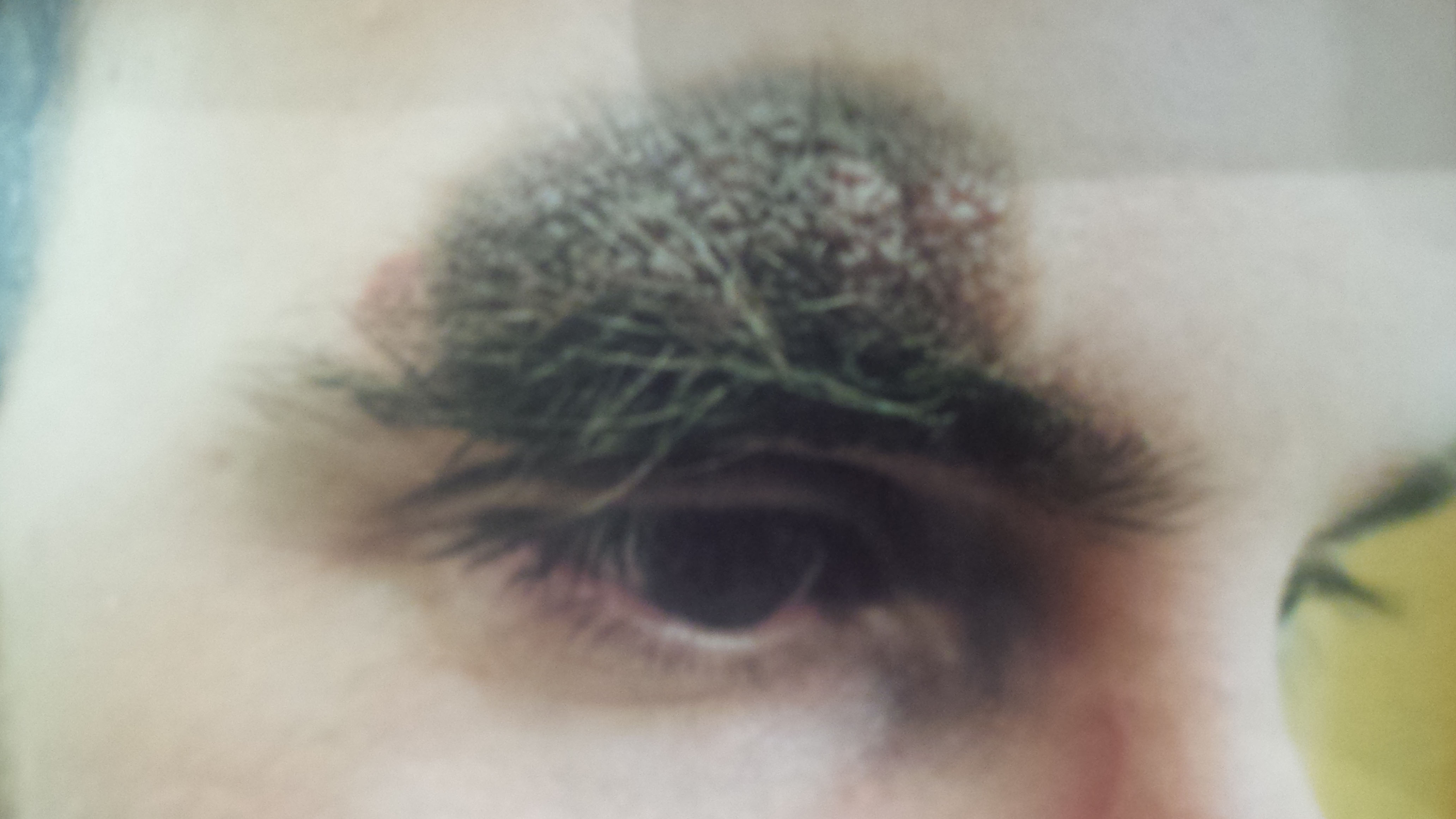
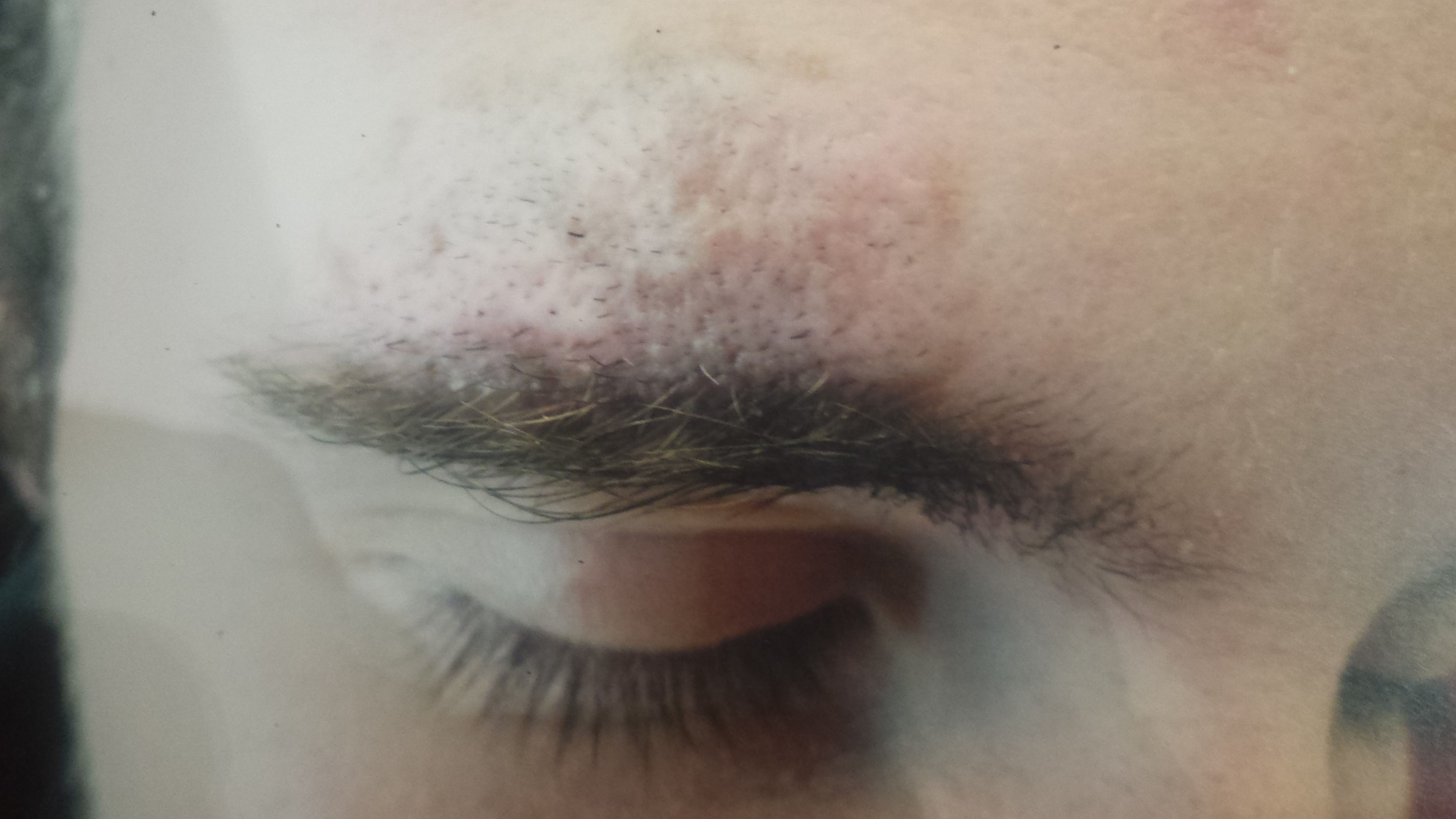
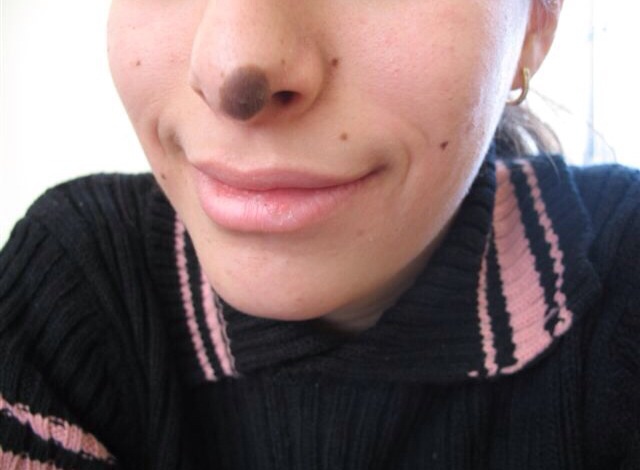
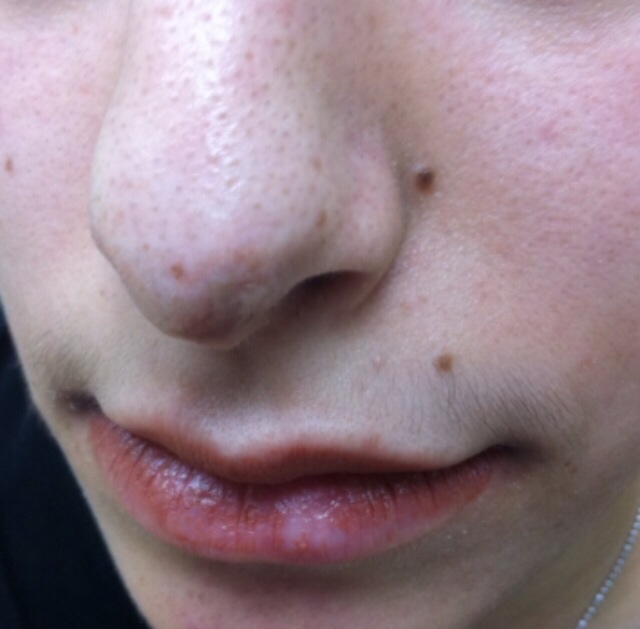
Our specialists at HP Dermatology Centre have developed a number of homeopathic medications with no side effects on your body for Genital Warts treatment. Prof Robert Feigin formula is applied on the Genital Warts which should cause the Genital Warts incrustation. Within two weeks, a new layer of the skin starts to develop and naturally the Genital Warts incrustation should peel off. In few cases, repeated treatments might be required.
We guarantee that our treatment will not leave any scar as they are left by as a result of laser, cutting or shaving off a layer of the epidermis tissue. In few cases, a small mark may be left on the skin, but it will mostly have a normal texture which disappears naturally with time.
Contact HPDC
You can get in touch with us for a completely natural and homeopathic birthmarks treatment which treats the skin condition effectively and ensures your body doesn’t have to go through any harmful chemicals or drugs.
Before
Before
After
How do I make a booking?
Call our customer service on 020 8144 3773 or use theBook a Consultation
Do you accept Health Insurance?
We are a private company with no public funds and provide an alternative to the conventional health service therefore we don’t accept any Health Insurance
Can my GP refer me here?
We are a private company with no public funds and provide an alternative to the conventional health service therefore your GP cannot refer you to us
Will you provide any personal medication should I need them?
The High Precision Dermatology Centre have its own in house Homeopathic pharmacy. Should you require any medications we can supply these immediately and will talk you through how to use them before you leave the clinic.
Are evening and weekend appointments available?
Call our customer service on 020 8144 3773 or use theBook a Consultation
What are the causes of Psoriasis ?
Typically causes patches of skin that are dry, red and covered in silver scales. It can cause itching or soreness. Many people have only one form of psoriasis, although two different types can occur together, or become more severe.
What are the causes of Birthmarks ?
Birthmarks are coloured marks that are visible on the skin. They’re often present at birth or develop soon afterwards. The two main types of birthmark are: Vascular Birthmarks (often red, pink or purple) caused by abnormal blood vessels in or under the skin. The Pigmented Birthmarks (usually brown) caused by clusters of pigment cells.Read More…
What are the causes of Skin Tags ?
Skin tags (acrochordons) are small flesh-coloured or brown growths that hang off the skin and look a bit like warts. They’re very common and harmless. Skin tags can vary in size from a few millimetres up to 5cm wide.Read More…